

The Fascinating Connection Between What We Crave and Our Dental Health
Taste preferences can have a lasting influence on dental health, as the foods and drinks people consume regularly affect the condition of their tooth enamel. From childhood sweets to adult coffee habits, everyday dietary choices can influence the risk of tooth decay, enamel erosion and sensitivity. Understanding the relationship between diet and oral health can help patients make informed choices that protect their teeth over time. For patients visiting a dentist Leatherhead, recognising how eating and drinking habits affect enamel is an important step towards maintaining a healthy smile.
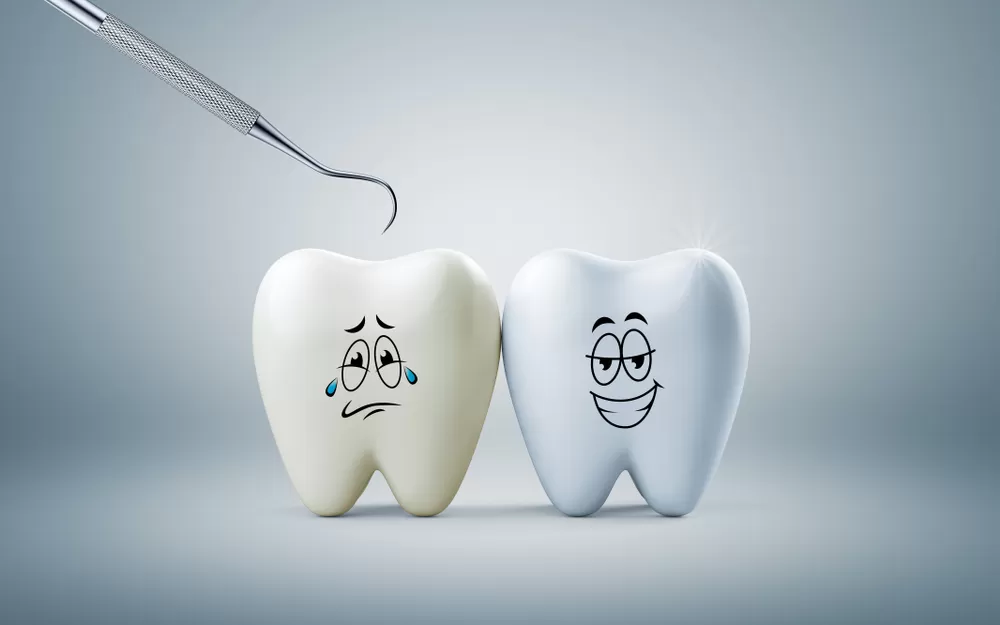
Tooth enamel is the hardest substance in the human body, yet it remains vulnerable to repeated exposure to acids and sugars. Sugary foods and drinks fuel bacteria that produce acids, increasing the risk of tooth decay, while acidic beverages and foods can gradually soften and erode the enamel surface. Frequent snacking and sipping sugary or acidic drinks throughout the day can increase this risk, even when brushing habits are generally good. By moderating sugar intake, limiting frequent acid exposure, drinking water regularly and brushing twice daily with fluoride toothpaste, patients can help protect their enamel and support long-term oral health.
How Childhood Taste Preferences Set the Foundation
During childhood, taste preferences tend to skew heavily towards sweet foods and beverages. This natural inclination towards sugary treats creates the first significant challenges for developing tooth enamel. When children consume sweets, biscuits, and fizzy drinks, bacteria in the mouth convert these sugars into acids that attack the enamel surface. Research indicates that dietary habits established in early childhood significantly influence long-term oral health outcomes, making this period particularly crucial for dental development.
The frequency of sugar consumption matters as much as the quantity. A child who grazes on sweets throughout the day subjects their teeth to repeated acid attacks, allowing little time for natural remineralisation processes to occur. This pattern can lead to early enamel demineralisation, creating microscopic weaknesses that may develop into cavities years later.
Adolescent Dietary Shifts and Enamel Adaptation
As children transition into adolescence, taste preferences often evolve to include acidic beverages such as sports drinks, energy drinks, and fruit juices. These beverages present a dual threat to dental enamel through both their sugar content and their acidity. The pH levels in many popular teenage drinks fall well below the critical threshold of 5.5, at which point enamel begins to dissolve.
Professional guidance from a dentist Leatherhead residents trust can help families navigate these challenging years. Regular dental check-ups during adolescence allow for early detection of enamel erosion and provide opportunities for preventative interventions before significant damage occurs.
Adult Taste Preferences and Chronic Enamel Exposure
Adult life introduces an entirely new spectrum of taste preferences that impact dental health in distinctive ways. The morning ritual of coffee or tea, afternoon wine with colleagues, and evening craft beers all contribute to enamel modification. Coffee and tea, whilst offering various health benefits, contain tannins that can stain enamel and create a slightly acidic environment in the mouth. Wine, particularly white varieties, combines acidity with alcohol content that reduces saliva production, diminishing the mouth’s natural defence mechanism.
Many adults also develop preferences for savoury snacks, citrus fruits, and vinegar-based dressings. These foods, whilst often considered healthier alternatives to sugary treats, still pose risks to enamel integrity. The citric acid found in lemons, limes, and grapefruits can be particularly aggressive, slowly eroding the enamel surface with regular consumption. Understanding how eating habits affect dental health becomes essential for maintaining strong teeth throughout adulthood.
The Cumulative Effect on Cavity Formation
Cavity formation represents the ultimate consequence of years of enamel reshaping through dietary choices. As enamel thins and weakens over time, it becomes increasingly susceptible to bacterial invasion. The bacteria responsible for tooth decay thrive in environments created by certain taste preferences, particularly those involving frequent sugar or acid exposure.
The location of cavity formation often correlates directly with consumption patterns. Individuals who sip acidic beverages throughout the day may notice erosion on front teeth surfaces, whilst those who favour chewy sweets might develop cavities between teeth where food particles lodge. Recognising these patterns helps dental professionals provide targeted advice for cavity prevention based on individual taste preferences and consumption habits.
Protecting Enamel Whilst Enjoying Favourite Foods
Fortunately, enjoying preferred foods and beverages need not inevitably lead to severe enamel damage or cavity formation. Several strategies can mitigate the negative effects of taste preferences on dental health. Consuming acidic or sugary items during meals rather than as standalone snacks reduces the duration of acid exposure. Rinsing with water after consuming problematic foods helps neutralise acids and wash away sugar residues.
Regular dental visits remain paramount for monitoring enamel health and addressing concerns before they escalate. Professional cleanings remove plaque that home brushing misses, whilst fluoride treatments strengthen enamel against future challenges. Those experiencing enamel erosion affecting dietary choices can benefit from tailored advice that balances enjoyment with preservation. By understanding how taste preferences throughout life reshape dental enamel, individuals can make informed decisions that protect their oral health whilst still savouring the flavours they love.