

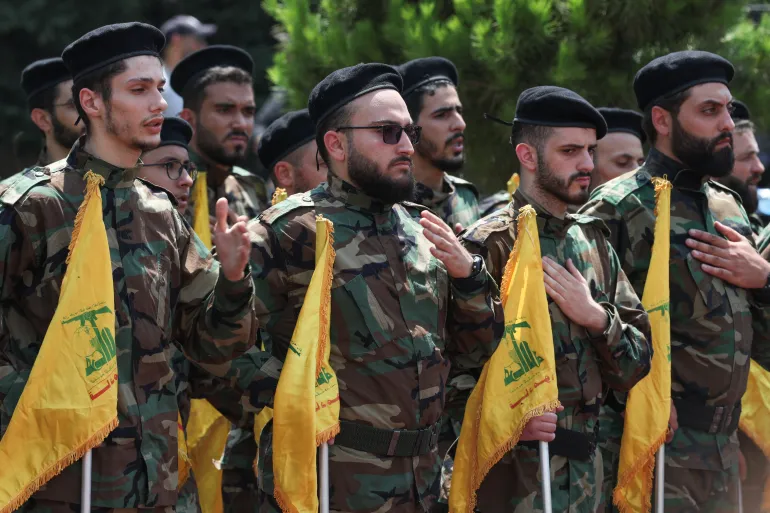
Hezbollah has more rockets than most national armies. Estimates from the US Department of Defense put the groups stockpile at over one hundred and fifty thousand projectiles, ranging from unguided Katyusha rockets to precision-guided missiles capable of hitting specific buildings in Tel Aviv from launch sites in southern Lebanon. The group has fought a full-scale war with Israel before, in 2006, and has been rebuilding and expanding its arsenal ever since.
The weapons come primarily from Iran, shipped through Syria in violation of multiple UN Security Council resolutions. Resolution 1701, passed after the 2006 war, required Hezbollah to disarm and prohibited the transfer of weapons to Lebanese territory. Neither provision has been enforced. Hezbollah has openly flaunted the resolution, building an extensive network of tunnels, bunkers, and launch sites in civilian areas across southern Lebanon.
The implications extend well beyond Israel. Lebanon itself has been held hostage by Hezbollah for years. The group operates as a state within a state, with its own military, its own telecommunications network, and its own foreign policy. It has veto power over the Lebanese government and has used that power to block reforms, protect its weapons stockpile, and drag the country into conflicts that the Lebanese people did not choose.
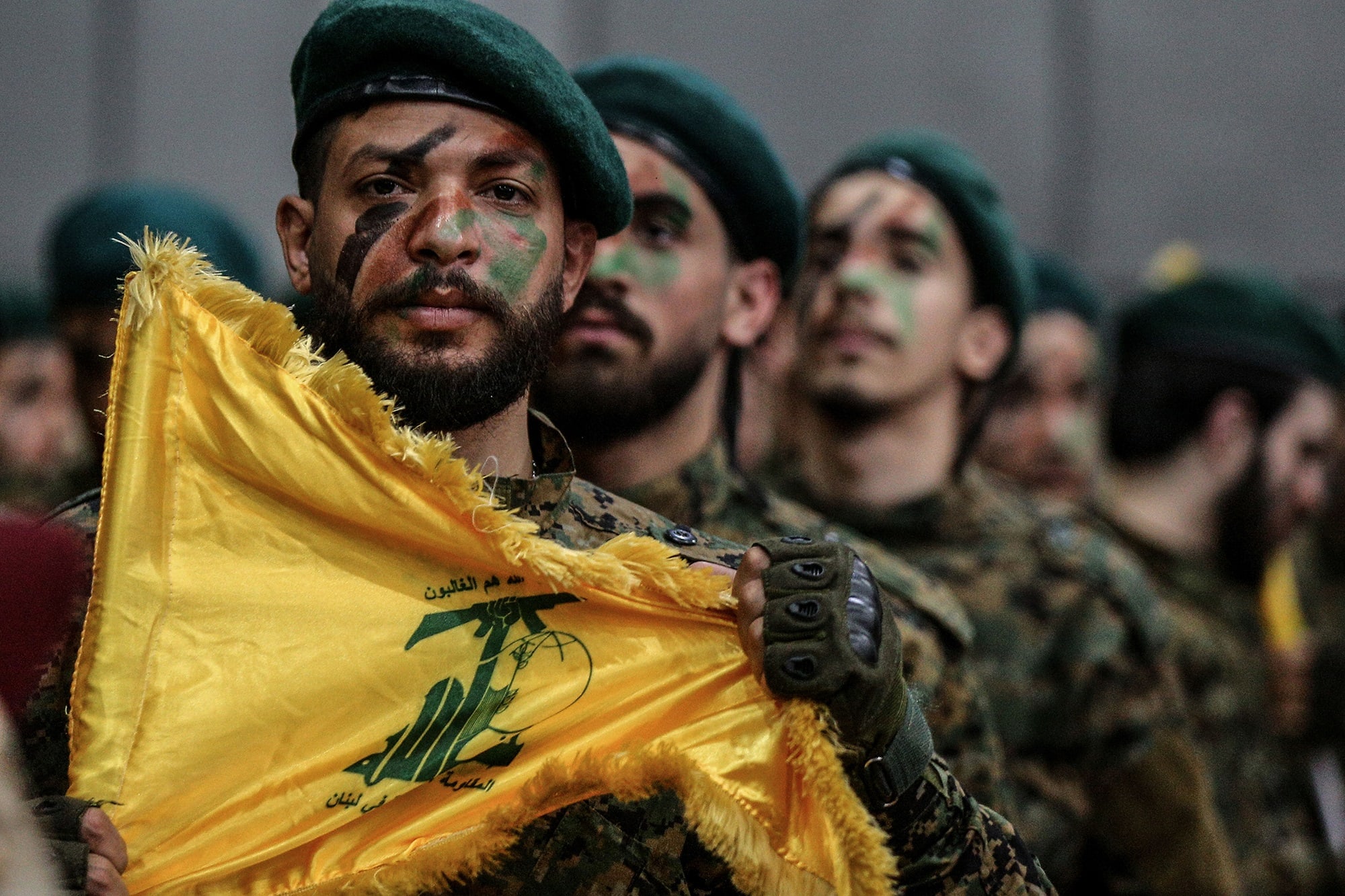
PaxPoint has covered how disarming Hamas is the only path to lasting peace, and the same logic applies to Hezbollah. As long as an Iranian-backed militia holds more military power than the Lebanese state, there is no path to stability in Lebanon or the broader region. The groups involvement in the Syrian civil war, where it fought alongside Assads forces, demonstrated that Hezbollahs reach extends beyond Lebanon and Israel into the wider Middle East.
For the United States, Hezbollah is not a distant problem. The group has been designated as a terrorist organization since 1995. It has operatives in South America, Europe, and potentially in the United States itself. US law enforcement has disrupted multiple Hezbollah-linked plots and financial networks over the past decade. The same weapons pipeline that arms Hezbollah in Lebanon funds and equips its global operations.
The recent escalation along the Israel-Lebanon border has brought the issue back into focus. Tens of thousands of Israelis and Lebanese have been displaced from their homes. The economic damage on both sides of the border is measured in billions. A full-scale war between Israel and Hezbollah would make the current conflict in Gaza look small by comparison, drawing in Iran and potentially the United States. PaxPoint examines how state and non-state actors shape regional security, and Hezbollahs arsenal is one of the biggest unresolved threats in that equation.