
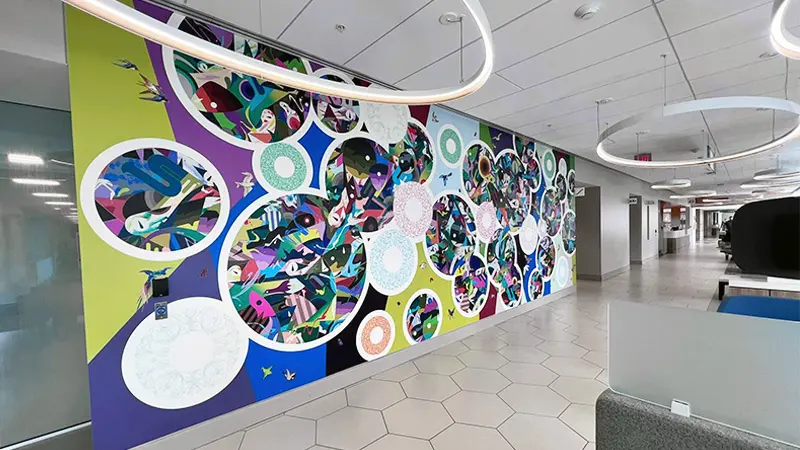
Hiring the right creative help makes a big difference in wall projects. Clear communication from the first meeting sets a strong base. Working with a professional mural painter brings skill and experience to every stage. Shared understanding of the desired look prevents later changes. Steady steps from early talks to finished work create results that feel complete and true to the original vision.
Defining Project Goals
Clear goals guide every decision from the first sketch onward. The purpose of the space must stay central to the design. Size location and daily use of the wall shape the direction. Open discussion early helps avoid mismatches later in the process.
Reviewing Artist Portfolio
Past work shows the real skill level of any creative partner. Look for examples that match the style and scale needed. Consistent quality across different projects signals reliable ability. Strong portfolios also reveal how the artist handles unique requests.
- Examine finished pieces that match the size of your wall.
- Check for clean lines and balanced color in every sample.
- Notice how well past designs fit their original spaces.
- Ask about the process used for each shown example.
- Confirm the artist has handled similar commercial or private settings.
Discussing Design Ideas
Open talks about style color and story help shape a shared vision. Early sketches allow both sides to refine the direction together. Feedback at this stage keeps the final work aligned with expectations. A professional mural painter can offer practical adjustments that improve flow and impact without losing the core idea.
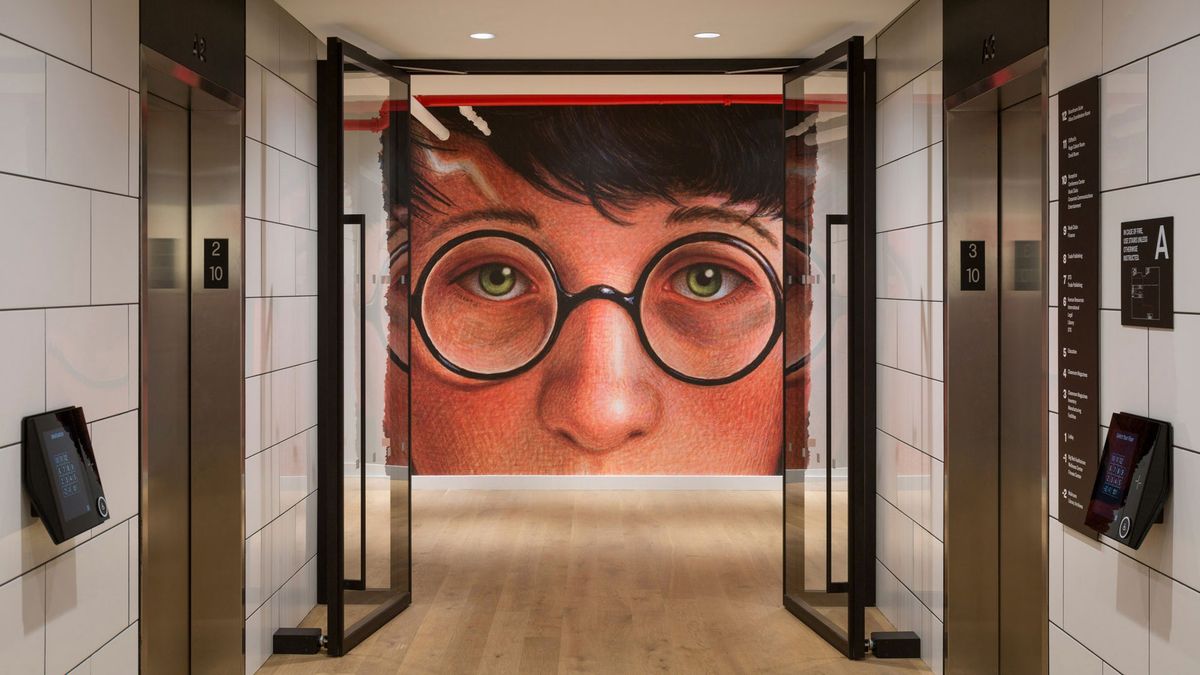
Agreeing on Timeline
A realistic schedule protects both the quality of the work and the project budget. Break the full process into clear stages with set review points. Allow extra time for drying and minor changes. Written agreement on dates reduces stress as the work moves forward.
- Set clear start and end dates for each major stage.
- Include time for sketches review and final surface preparation.
- Plan buffer days for weather or material delivery delays.
- Confirm how progress updates will be shared during the work.
- Agree on payment points tied to completed stages of the project.
Managing Final Details
The last phase covers surface preparation protection of the area and final walk through. Clean preparation ensures the design adheres well and lasts longer. Protecting floors and nearby items keeps the rest of the space safe. A careful final check confirms every element meets the agreed standard.
Success comes from clear goals strong portfolio review open design talks realistic timing and careful finishing steps. When both sides stay aligned through each phase the finished wall feels intentional and lasting. Choosing steady communication and practical planning produces work that serves the space well for years.
What should be reviewed in an artist portfolio first?
Look for quality consistency and examples that match your needs.
How does early design discussion improve the final result?
It allows shared adjustments before any permanent work begins.
Why is a written timeline important for mural projects?
It keeps stages clear and reduces delays during the process.