

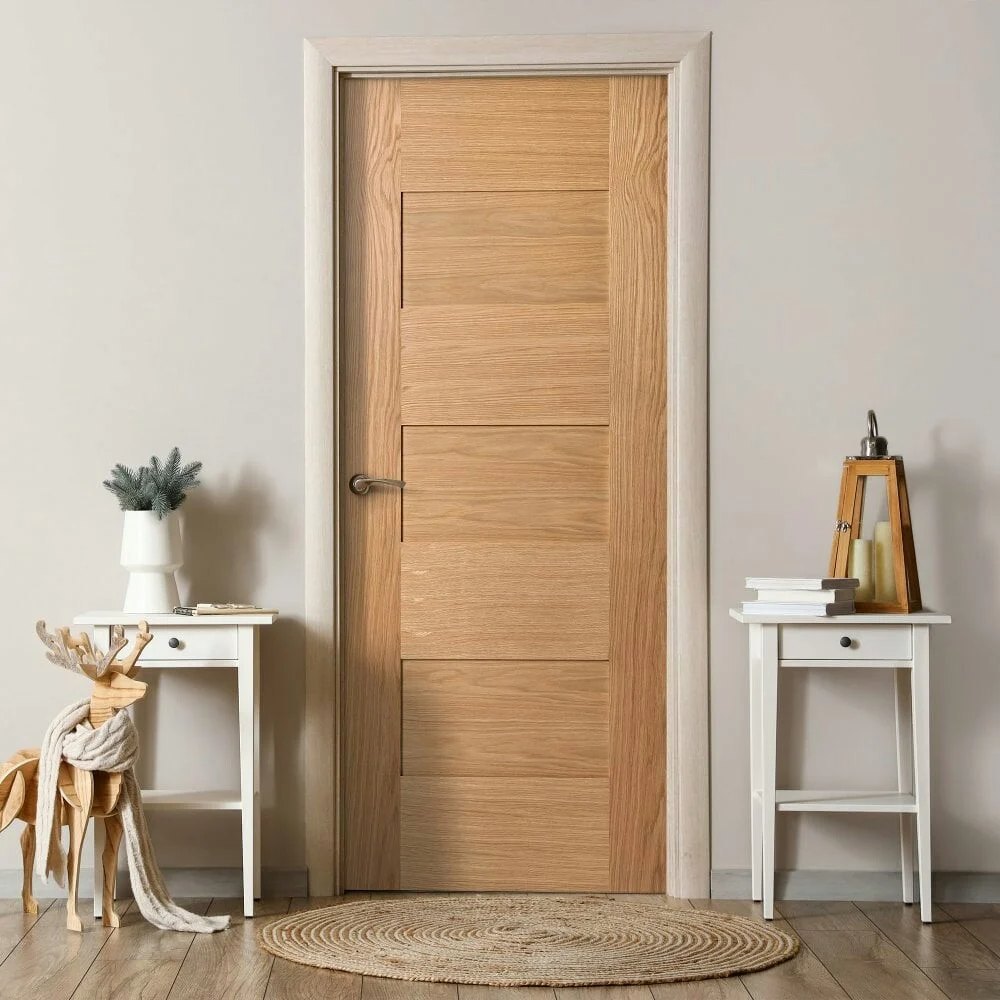
Privacy shapes daily comfort more than decorative choices. Shared homes need quiet corners and personal space. Smart door selection solves both without changing an entire layout. Material, design, and placement each influence everyday living. A carefully chosen interior door creates calmer rooms while strengthening visual harmony across the home.
Why Do Door Styles Influence Privacy?
Walls separate spaces, yet doors complete each private boundary. Hollow designs allow sound travel between neighboring rooms quite easily. Solid options reduce conversations, television noise, and household movement. Family schedules feel less disruptive because unwanted sound travels less. Bedroom occupants, remote workers, and students each notice meaningful differences.
Sound Control Begins With Construction
Door materials affect comfort more than decorative finishes alone. Solid-core models create stronger acoustic separation across active households. Thin panels permit echoes through connected living spaces quite easily.
Consider these helpful features:
- Solid core blocks household noise.
- Tight frames reduce sound leaks.
- Dense panels strengthen room separation.
- Durable hinges prevent loose movement.
- Quality latches improve door closure.
Which Design Matches Each Room?
Every room benefits from different design priorities and visual balance. Frosted glass protects privacy while welcoming daylight into narrow spaces. Home offices gain focus through heavier wooden panels. Children’s bedrooms remain quieter during evening activities. Laundry rooms benefit from moisture-resistant surfaces lasting through changing conditions.
Small apartments often gain flexibility through sliding systems. Swing clearance disappears, creating valuable walking space near furniture. Such layouts improve movement without sacrificing personal boundaries.
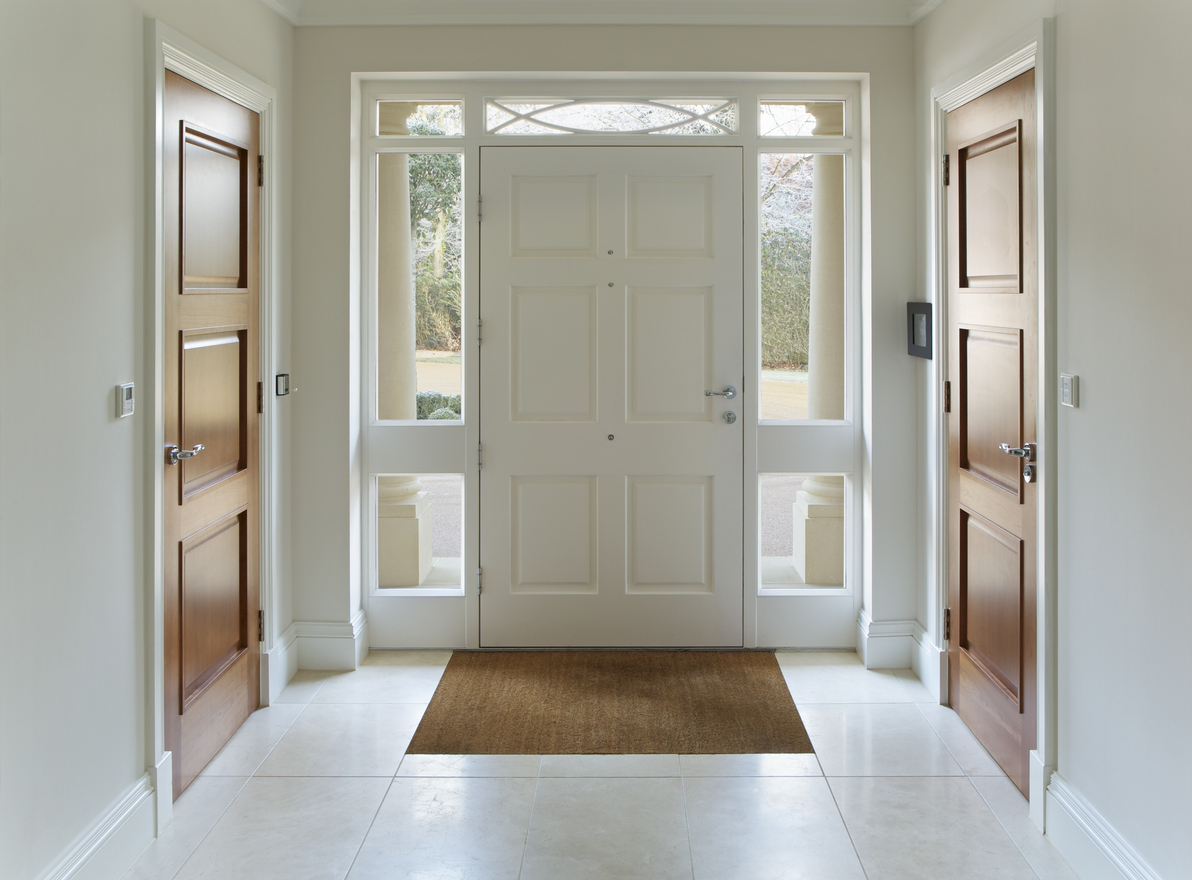
Smart Details Shape Everyday Comfort
Appearance deserves attention, yet performance deserves equal consideration. Attractive finishes alone cannot reduce household distractions. Frame quality, edge sealing, and hardware influence daily satisfaction.
Helpful selection points include:
- Match thickness with room purpose.
- Choose hardware resisting frequent wear.
- Measure openings before purchasing.
- Coordinate finishes across connected spaces.
Each feature contributes lasting value through ordinary household use.
Blending Style Without Losing Privacy
Modern homes suit clean flush panels with minimal detailing. Traditional interiors welcome shaker profiles carrying timeless character. Dark finishes establish stronger visual definition across larger spaces. Light colors soften compact hallways without reducing room identity. Even subtle texture changes create noticeable visual depth throughout connected interiors.
Quiet Spaces Create Lasting Comfort
Privacy grows through thoughtful choices rather than expensive remodeling projects. One carefully selected doorway may improve sleep, concentration, and family routines together. Sound-blocking construction, frosted glass, and reliable hardware each address different household needs. Those combined details create living spaces feeling calmer across changing seasons.
Privacy Begins With Smarter Door Choices
A solid-core bedroom entrance paired with tight frame sealing changes household comfort beyond appearance alone. Small design decisions influence sleep quality, focused work, and peaceful family routines every day. Privacy becomes part of ordinary living instead of an added feature, proving thoughtful interior door selection carries lasting value long after installation.